
how to pack toiletries for travel comes down to two goals that tend to fight each other, keep everything clean and leak-free, while keeping your bag light and easy to search.
If you’ve ever opened a suitcase to find shampoo all over your clothes, or you’ve had TSA pull your bag aside because your liquids were scattered everywhere, you already know why this matters. Toiletries are small, but they create outsized stress when they’re packed poorly.
This guide focuses on practical, repeatable routines, not perfection. You’ll get a quick way to decide what to bring, how to prevent leaks, and how to pack differently for carry-on versus checked luggage, plus a checklist you can reuse.
Start with the “trip profile” so you don’t overpack
Most overpacking starts before you touch a toiletry bag. You’re really packing for a specific trip profile: length, weather, activities, and how easy it is to buy replacements.
A weekend city trip needs a different setup than a two-week road trip with hiking. If you decide that up front, your toiletry choices get simpler fast.
- Trip length: 1–3 days usually fits travel sizes, 4–10 days often needs refills or solids, longer trips benefit from “buy there” strategy.
- Access to stores: major cities make it safer to pack less, remote locations push you toward backups.
- Activities: beach, gym, formal events, camping each adds one or two specialty items, not ten.
- Laundry plan: if you’ll wash clothes, you can also wash a few items like combs or reusable bottles mid-trip.
One mindset shift helps: pack for “good enough hygiene and comfort,” not your full bathroom. A travel kit is a curated set, not a duplicate home shelf.
Know the rules for liquids, aerosols, and sharp items
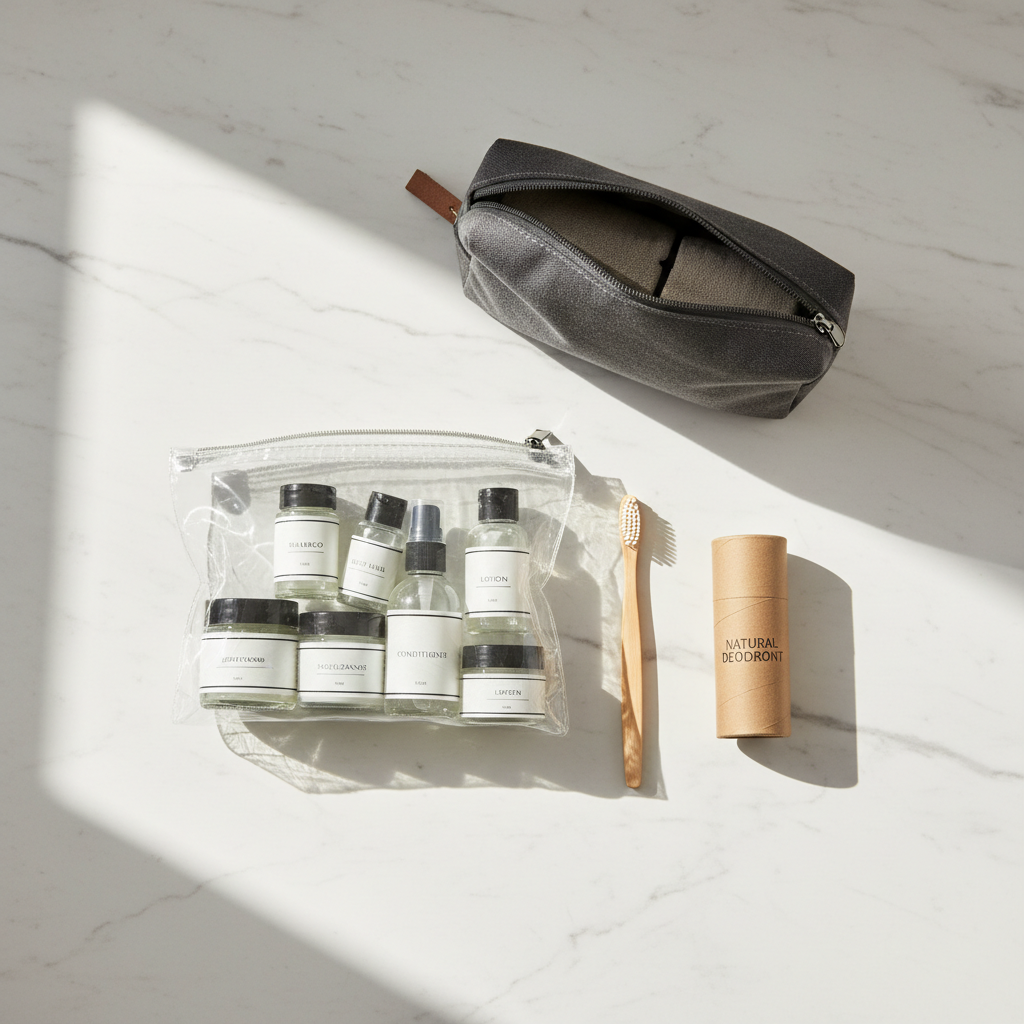
If you fly in the U.S., you’ll pack differently for carry-on versus checked luggage. According to TSA, liquids, gels, creams, pastes, and aerosols in carry-on must generally be in containers of 3.4 oz (100 ml) or less and fit in a single quart-size bag.
That rule shapes everything from bottle size to how you group items. For checked bags, you have more flexibility, but leak prevention matters more because pressure and handling can be rough.
Common “toiletry” items that still trigger screening
- Gel deodorant, hair gel, styling cream, liquid foundation, sunscreen, toothpaste
- Aerosols like hairspray or spray deodorant, which may have extra restrictions depending on product labeling
- Disposable razors are usually fine, but some razor types and sharp tools can be restricted in carry-on
If you’re unsure about a specific product category, checking the latest guidance on TSA’s site before you leave can save time at the airport. Rules also change, and sometimes the product format matters more than the brand.
Choose containers and packing methods that prevent leaks
The fastest way to ruin a trip is a slow leak you don’t notice until arrival. Leak prevention is partly about containers, and partly about how you tighten and position them.
What usually works better than “cheap minis”
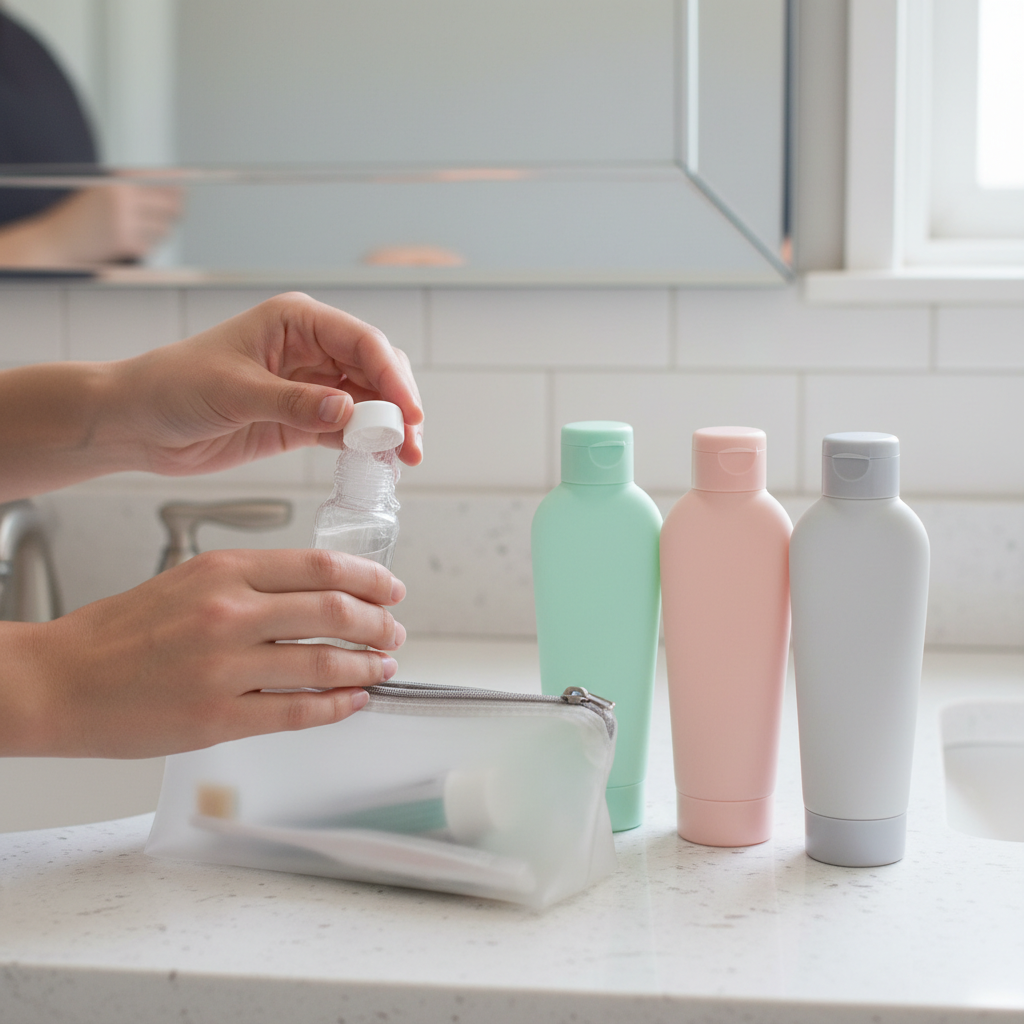
- Leak-resistant bottles: silicone squeeze bottles or thick plastic bottles with tight caps tend to hold up better than brittle promo-style minis.
- Solid alternatives: bar soap, shampoo bars, conditioner bars, and solid deodorant reduce liquid volume and screening hassle.
- Contact lens cases: useful for tiny amounts of cream or hair product, but label them clearly so you don’t mix items.
Simple leak-proofing habits
- Don’t fill bottles to the top, leave a little air space for pressure changes.
- Wipe threads on bottle necks before closing so caps seat properly.
- For higher-risk liquids, place a small piece of plastic wrap under the cap, then close tightly.
- Pack liquids in a separate zip pouch even inside your toiletry bag, so one failure doesn’t spread.
If you’ve been frustrated and keep asking how to pack toiletries for travel without mess, this is often the missing piece, “good container” plus “secondary containment.”
Build a simple toiletry kit system (daily, backup, and special-use)
Instead of starting from scratch every trip, build a kit you can keep partially packed. It cuts decision fatigue and reduces the chance you forget essentials like deodorant or contacts solution.
A practical kit layout
- Daily core: toothbrush, toothpaste, deodorant, face wash, moisturizer, sunscreen, basic hair care.
- Backup/health: small first-aid items, any personal meds, blister care, travel tissues.
- Special-use: shaving kit, makeup, fragrance, styling tools, nail items, depending on the trip.
Many travelers do best with two toiletry bags: a compact “carry-on legal” pouch, and a larger bag for checked luggage or road trips. That way you don’t rebuild your setup every time you switch travel styles.
Pack differently for carry-on vs checked luggage
How you pack toiletries for travel changes based on where the bag goes. Carry-on favors speed and compliance, checked luggage favors durability and spill containment.
Carry-on packing priorities
- Liquids bag first: keep the quart bag accessible, ideally at the top of your personal item.
- Minimize liquids: pick solids when you can, and limit “just in case” bottles.
- Separate essentials: keep toothbrush, deodorant, and a face wipe where you can reach them during delays.
Checked bag packing priorities
- Double-bag liquids: one leak-resistant pouch inside the toiletry bag, especially for oils and tinted products.
- Pack upright: if your bag design allows it, keep bottles upright near the center of the suitcase.
- Protect fragile items: glass bottles or compacts should be wrapped in soft clothing, not left loose.
For road trips, you get a third option, keep a “grab bag” in the car with quick-access items, and store bulk refills separately to avoid rummaging.
Quick self-check: what type of packer are you?
If your toiletry bag always feels chaotic, it’s usually because your packing style doesn’t match your habits. This short check helps you pick the right approach.
- You hate airport stress: go solids-first, keep a dedicated TSA pouch, and avoid anything sticky or tinted in carry-on.
- You need routines to feel normal: build a “home-like” kit, but shrink it with refillable bottles and fewer duplicates.
- You pack last minute: keep a permanently stocked kit and a printed checklist in the bag.
- You travel with family: share bulky items like shampoo and sunscreen, but separate personal items to reduce mix-ups.
- You get leaks often: upgrade containers and add secondary zip pouches, don’t just “tighten harder.”
Once you know your type, how to pack toiletries for travel becomes less about willpower and more about a system you can repeat.
A practical toiletries packing table (what to bring and where it goes)
This table is a realistic starting point, then you can add one or two trip-specific items. Keep it simple, because your future self will thank you at security and check-in.
| Item | Best format | Carry-on? | Checked bag? |
|---|---|---|---|
| Shampoo/Conditioner | Solid bar or 3.4 oz bottle | Yes, if compliant | Yes |
| Body wash/Soap | Bar soap or small bottle | Yes, bar is easiest | Yes |
| Toothpaste | Travel size | Yes, in liquids bag | Yes |
| Face cleanser | Solid or small bottle | Yes, if compliant | Yes |
| Moisturizer | Decanted cream | Yes, in liquids bag | Yes |
| Sunscreen | Stick, solid, or 3.4 oz | Sometimes, depends on size | Yes |
| Deodorant | Solid stick | Yes | Yes |
| Razor | Disposable or cartridge | Usually | Yes |
| Nail clippers/tweezers | Small tools | Varies, check rules | Yes |
| Medications | Original labels when possible | Recommended | Yes |
Common mistakes that make toiletry packing harder than it needs to be
Some problems look like “I need a bigger bag,” but they’re actually small process issues that repeat every trip.
- Too many half-used products: decide on one per category, the rest stays home.
- Not labeling decanted bottles: after day two, everything becomes “mystery liquid.” A small label prevents skin irritation and wasted time.
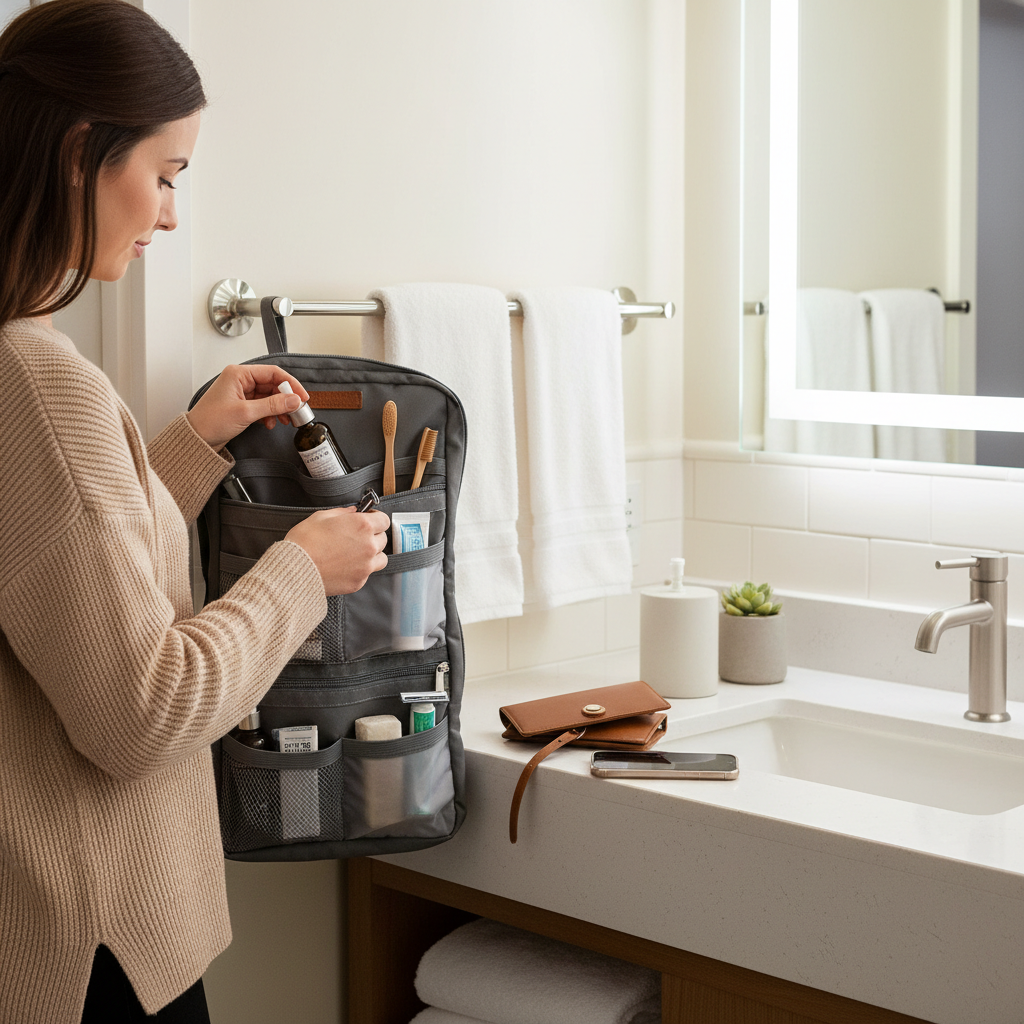
- Mixing wet and dry: toothbrush and razor stored next to damp soap tends to get gross quickly, use a soap case or quick-dry container.
- Assuming hotel supplies cover you: many hotels offer basics, but sensitivity, hair type, and fragrance preferences vary, so a minimal kit is still safer.
- Over-optimizing for TSA: compliance matters, but if you can’t access deodorant on a long delay, you’ll regret packing purely for screening speed.
If you’re changing routines, test your setup on a short trip first. It’s easier to revise a kit after three days than after a two-week itinerary.
When it’s worth getting extra help or medical advice
Toiletries seem straightforward, but some items overlap with health needs. If you use prescription topicals, contact lens solutions, or medically necessary liquids, it’s usually smart to pack them in carry-on and keep labels or documentation when available.
Skin conditions and allergies complicate swaps, so if you’re considering switching to solids or decanting into new containers and you’ve had reactions before, a pharmacist or clinician can help you choose safer options. This is especially relevant for acne treatments, eczema products, and strong actives that don’t travel well in heat.
Key takeaways you can follow on your next trip
- Decide your trip profile before you pick products, it prevents overpacking.
- Use leak-resistant containers and always add a secondary zip pouch for liquids.
- Carry-on = compliance and access, checked bag = containment and durability.
- Standardize a kit so you don’t reinvent your toiletry bag every time.
If you want one action step today, build a small “core kit” and leave it packed, then run one practice pack before your next flight to catch leaks and missing items early.
FAQ
How do I pack toiletries for travel without them leaking?
Use better bottles, leave headspace, wipe the threads before closing, and put liquids inside a separate zip pouch even when you use a toiletry bag. For higher-risk items, plastic wrap under the cap helps.
What counts as a liquid for TSA when packing toiletries?
Most gels, creams, pastes, and aerosols count as liquids, including toothpaste and gel deodorant. When in doubt, treat it like a liquid and put it in the quart bag, or choose a solid version.
Should I pack toiletries in carry-on or checked luggage?
Keep essentials and anything hard to replace in carry-on, especially medications and contact lens items. Put larger, leak-prone backups in checked luggage with extra containment.
Are shampoo bars and soap bars easier for airport security?
Usually yes, because solids reduce what needs to go into the quart bag. They can still be inspected, but they typically create fewer screening slowdowns than multiple liquids.
How many travel bottles should I bring for a week-long trip?
Many people do fine with 4–6 small containers if they choose multi-use products, like one cleanser that works for face and body, plus conditioner only if truly needed. The right number depends on hair type and routines.
What’s the best way to label decanted toiletries?
A simple waterproof label or tape with a permanent marker works. Include the product name and, for actives, a quick note like “AM sunscreen” or “PM retinol” to avoid mistakes when you’re tired.
Can I bring nail clippers, tweezers, or scissors in my carry-on?
It varies by item type and size, and screening can be discretionary. If it’s important, check current TSA guidance before you fly, or place tools in checked luggage to reduce hassle.
If you’re building a travel routine and you’d rather not think about this every time you pack, a pre-stocked toiletry kit with refillable, leak-resistant bottles and a dedicated liquids pouch can be a calmer, more repeatable setup, especially if you travel a few times a year.