
Best skincare routine for beginners usually means one thing, a simple routine you can actually stick with, without buying ten products and guessing what goes where.
If you are new to skincare, the frustrating part is not the steps, it is the mixed advice, the “miracle” claims, and the breakouts that happen when you change everything at once. A beginner routine should protect your skin barrier first, then target one or two concerns like acne, dark spots, or dryness.
This guide keeps it practical, what to do in the morning, what to do at night, how to pick products by skin type, and how to avoid the most common mistakes that waste money and irritate skin.
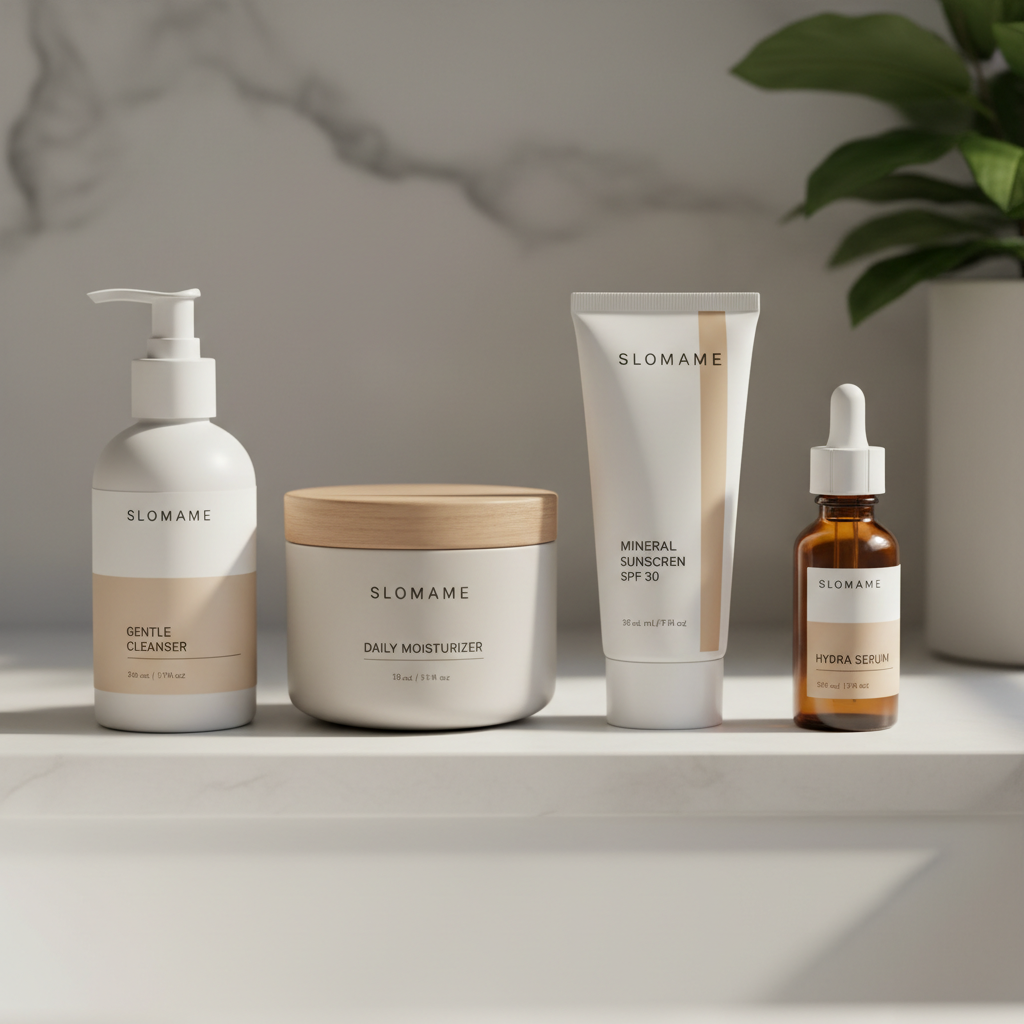
What “beginner-friendly” skincare really means
A routine is beginner-friendly when it does three things well, it cleans without stripping, moisturizes without clogging, and protects from sun damage daily. Everything else is optional, and often works better after those basics feel stable.
According to the American Academy of Dermatology, daily sunscreen use is a core habit for preventing sunburn and lowering long-term risk from UV exposure. In practice, sunscreen is also what keeps dark marks from lingering and makes most “brightening” routines look like they work.
- Barrier-first: fewer actives, more consistency, less irritation
- One change at a time: you can tell what helps or hurts
- Repeatable: a routine you do 6 days a week beats a perfect one you do twice
Your simplest AM routine (3 steps)
Morning skincare is about protection, not heavy treatment. If you only nail one routine, make it this one.
1) Cleanse (or rinse) based on your skin
If your face feels oily on waking, use a gentle cleanser. If you feel tight or dry, a lukewarm rinse may be enough. Over-cleansing in the morning is a quiet reason many beginners feel “dry but also breaking out.”
2) Moisturize
Pick a basic moisturizer with ceramides, glycerin, or hyaluronic acid, those support hydration without demanding perfect technique. If you are acne-prone, look for “non-comedogenic” and lighter textures, but keep expectations realistic since labeling is not a guarantee.
3) Sunscreen (every day)
Use broad-spectrum SPF 30 or higher. Apply enough, most people under-apply. If you hate the feel, try a different format, gel, fluid, mineral, tinted, or a sunscreen made for oily skin. The best skincare routine for beginners often “fails” here because the sunscreen is unpleasant, not because the rest is wrong.
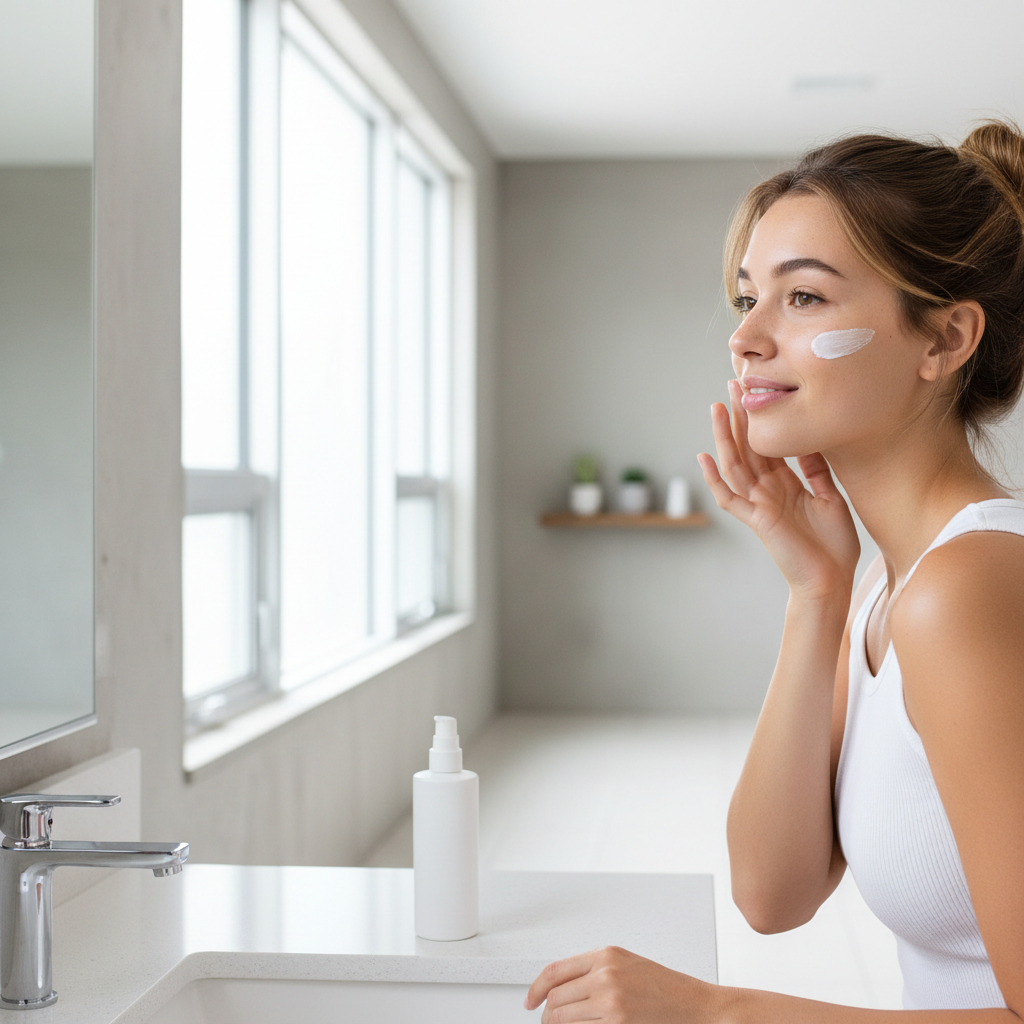
Your simplest PM routine (2–4 steps)
Night is where you repair and treat, but beginners do better when they keep the “treat” part small.
1) Cleanse (double cleanse only if needed)
If you wear makeup or water-resistant sunscreen, consider an oil cleanser or micellar water first, then a gentle cleanser. If you do not, one cleanse is usually fine.
2) Moisturize (yes, even if you are oily)
Skipping moisturizer often backfires. Many people compensate with harsher acne products, then get peeling, then quit. A steady moisturizer helps your skin tolerate actives later.
3) Optional treatment, pick one
- For acne or clogged pores: salicylic acid (BHA) a few nights per week
- For uneven tone: a gentle vitamin C in the morning or azelaic acid at night
- For early anti-aging goals: a retinoid, starting low and slow
According to the National Institutes of Health, retinoids influence skin cell turnover and are widely used in acne and photoaging care, but irritation is common early on. If you choose a retinoid, start 2 nights per week and increase only if your skin stays calm.
How to choose products by skin type (without overthinking)
Skin type guides texture and frequency more than it dictates “right” products. If you are unsure, use your recent baseline, not what you were two years ago.
| Skin type | What usually works | What often causes trouble |
|---|---|---|
| Oily / acne-prone | Gel cleanser, lightweight moisturizer, BHA 2–3x/week | Over-scrubbing, too many acids, heavy fragranced oils |
| Dry | Cream cleanser, richer moisturizer, gentle actives | Foaming cleansers, daily exfoliation, hot water |
| Combination | Balanced cleanser, light moisturizer, spot-treat oily zones | Using “oil-control” products on the whole face |
| Sensitive | Fragrance-free basics, slower product testing, mineral SPF | Stacking actives, frequent product switching |
Key point: If your skin stings after most products, treat that as a signal, not a personality trait. Strip it back to cleanser, moisturizer, sunscreen for 2 weeks, then add one active.
A quick self-check list before you add “actives”
Before you chase results, make sure your baseline routine feels steady. This is where many beginners save themselves months of trial and error.
- Your skin does not feel tight after cleansing
- No persistent stinging when you apply moisturizer
- Flaking is minimal, or limited to a small area
- New breakouts are not appearing in unusual places
- You can wear sunscreen daily without dreading it
If you check most boxes, you can add one treatment product. If not, your next “upgrade” should be gentler basics, not a stronger active.
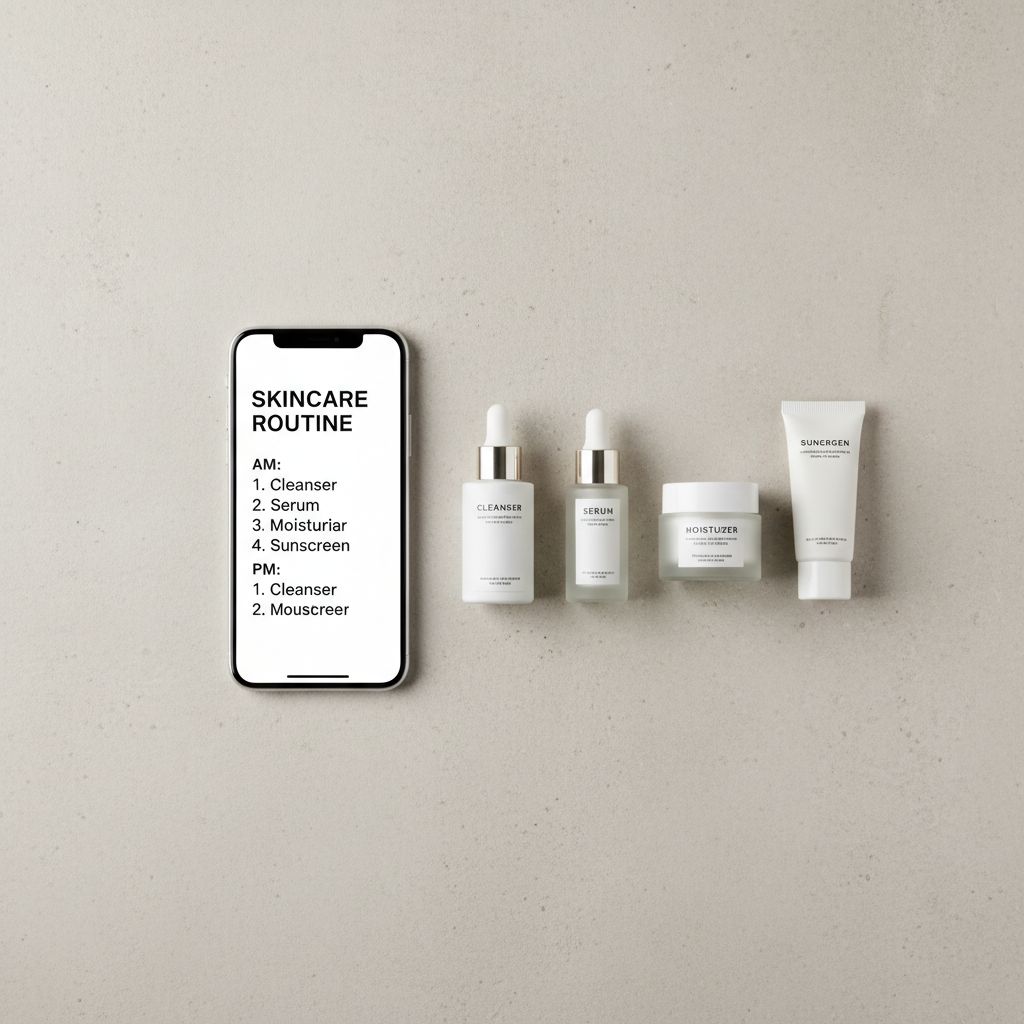
Beginner add-ons that make sense (and how to introduce them)
This is the part where people get excited and then accidentally sabotage their skin. The rule is boring but effective, add one product, patch test, then wait.
Patch test in a realistic way
- Apply a small amount behind the ear or along the jaw
- Repeat once daily for 2–3 days
- If you get burning, swelling, or a rash, stop and consider asking a professional
A simple schedule that avoids irritation
- Weeks 1–2: cleanser, moisturizer, sunscreen only
- Weeks 3–4: add one active 2 nights per week
- Week 5+: increase frequency only if your skin stays comfortable
Many people want the best skincare routine for beginners to “work fast,” but skin responses often look messy early on. If you are using a new acne active, mild dryness can happen, but intense burning or cracking is not a “normal purge.”
Common mistakes beginners make (and what to do instead)
- Buying a full routine at once: build a base first, then add one treatment
- Exfoliating daily: most beginners do better at 1–3x/week, sometimes less
- Using multiple actives together: pick one primary active, keep the rest gentle
- Skipping sunscreen when it is cloudy: UV still reaches skin, especially UVA
- Chasing “clean” claims over performance: focus on tolerance, texture, and consistent use
According to the U.S. Food and Drug Administration, many acne products can cause irritation, and rare but serious allergic reactions can occur. If you notice hives, swelling, or trouble breathing, seek urgent medical help.
When to see a dermatologist (or ask for professional help)
Self-care is great until it is not. If any of these sound familiar, you may save time and scarring risk by getting guidance.
- Acne is painful, cystic, or leaving marks that keep accumulating
- Rashes, burning, or swelling keeps returning even with bland products
- Dark patches or discoloration is spreading or changing quickly
- You are pregnant or breastfeeding and want help choosing actives safely
- You suspect eczema, rosacea, or a reaction to a product and cannot pinpoint it
A professional can also help you simplify. A lot of “complicated skin” is really “too many products.”
Conclusion: a beginner routine that stays realistic
The best skincare routine for beginners is not a long list, it is a steady base and one thoughtful add-on when you are ready. If you do cleanser, moisturizer, and sunscreen consistently, you already cover the part most people skip.
Action steps for today: choose one gentle cleanser, one moisturizer you will use daily, and a broad-spectrum SPF you do not hate, then run that for two weeks before adding anything else.
If you want faster results after that, pick one concern and introduce one active slowly, your skin will usually tell you what it can handle.
Quick FAQ
- Do I need toner in a beginner routine? Many people do not. If a toner helps hydration and does not sting, it can fit, but it is rarely the missing piece.
- What is the correct order of skincare products? Generally, go from thinnest to thickest, cleanse, treatment/serum, moisturizer, and sunscreen in the morning.
- How long until I see results? Hydration and comfort can improve in days, while acne, dark spots, and texture often take weeks. If irritation shows up fast, scale back fast too.
- Can beginners use retinol? Often yes, but start low strength and low frequency. If you have very sensitive skin, you might do better starting with azelaic acid or just barrier repair first.
- Is “purging” real? It can happen with certain actives that increase turnover, but lots of “purging” is plain irritation or clogging from a new product. When in doubt, reduce frequency or stop.
- Should I wash my face in the morning? It depends. Oily skin often benefits from a gentle cleanse, dry or sensitive skin may prefer a rinse.
- What if sunscreen breaks me out? Try a different filter type or texture, and make sure you remove it well at night. If breakouts persist, a dermatologist can help identify triggers.
If you are building your first routine and want it to feel less like guesswork, a simple way is to pick a small set designed to work together and introduce products slowly, that approach usually saves money and stress compared with constant swaps.