men muscle tank top gym fitness sounds simple, but most guys only realize what matters after a few workouts: the armholes rub, the fabric turns heavy with sweat, or the fit looks great standing still and terrible under a press.
This guide is here so you can pick a tank top that matches how you actually train, whether that’s heavy lifting, high-sweat conditioning, or a mix. The goal is comfort, range of motion, and a look you feel good wearing without overthinking it.
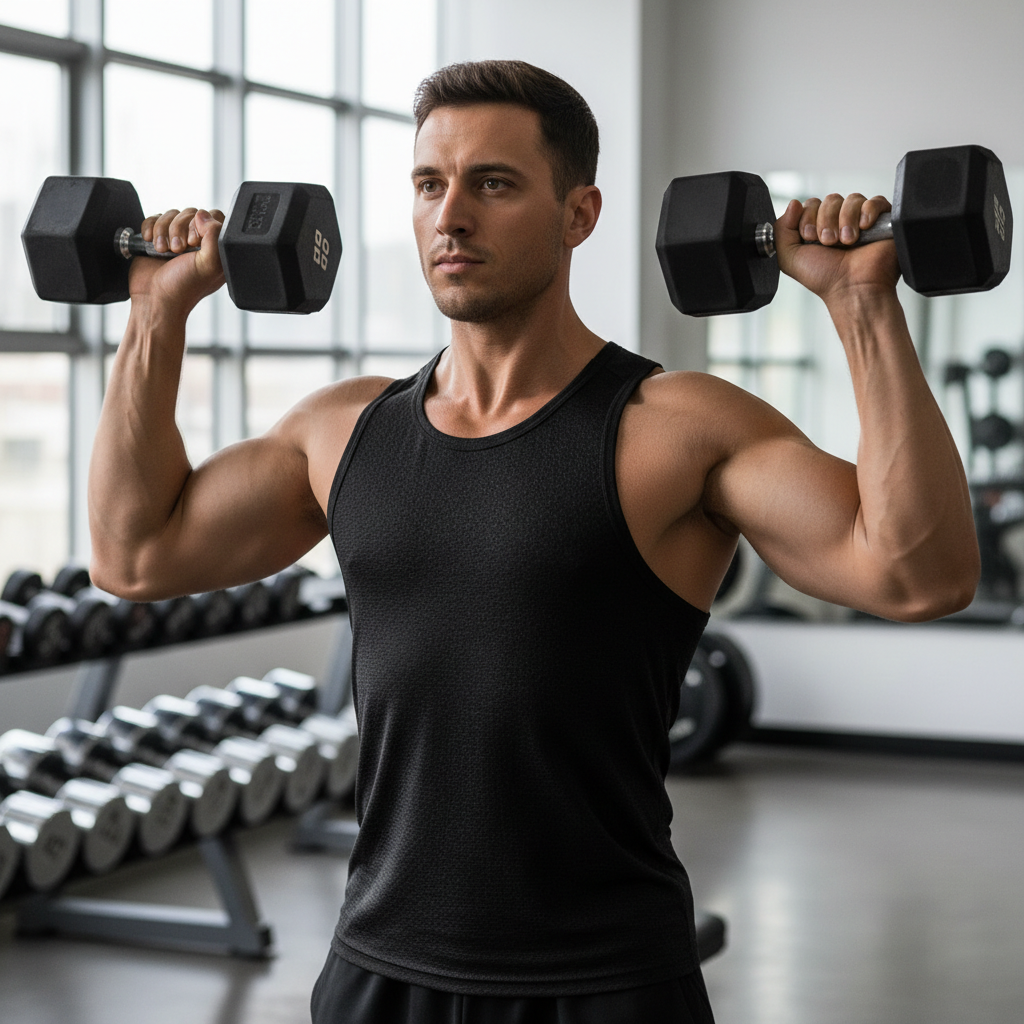
One quick note: “muscle tank” can mean anything from a relaxed sleeveless tee to a deep-cut bodybuilding tank. The right choice depends less on trends and more on your training, body shape, and how sensitive you are to heat and chafing.
What makes a good gym muscle tank top (beyond the look)
A solid gym tank earns its spot when it performs under movement and sweat, not when it looks perfect on a hanger.
- Mobility-friendly cut: shoulder seams that don’t pinch when you press or raise arms overhead.
- Armholes that match your comfort level: too small can rub, too big can expose more than you want during rows or cable work.
- Sweat management: quick-dry blends help avoid that heavy, clingy feel mid-session.
- Hem that stays put: a slightly longer back hem often helps during deadlifts or bench setup.
According to the American Council on Exercise (ACE), breathable, moisture-wicking clothing can improve comfort during exercise, especially in warmer environments. Comfort won’t replace training, but it can reduce distractions.
Fabric & feel: cotton, blends, and performance knits
Fabric is where most “regret buys” happen. The label might say “soft,” but in a real workout that can translate to “soaks up sweat and stays wet.”
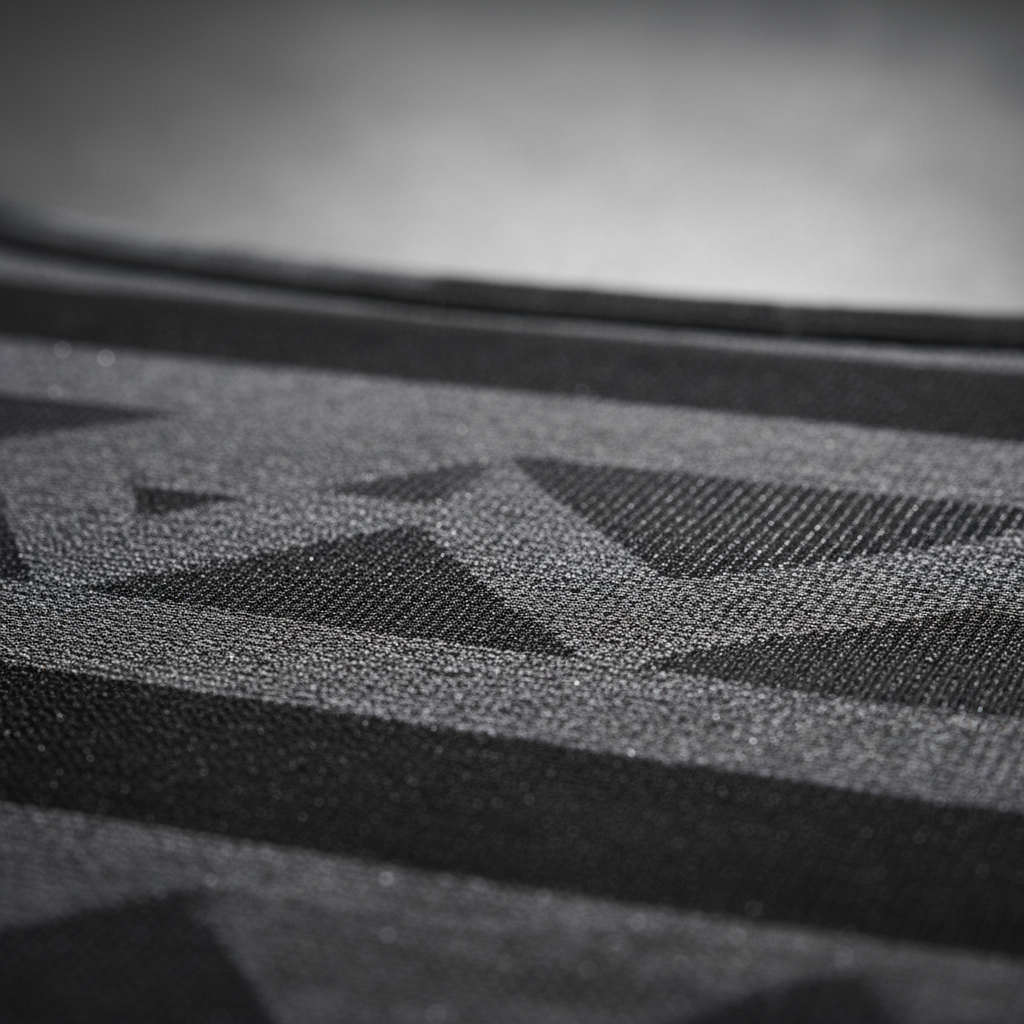
Here’s the practical breakdown most lifters end up using:
- 100% cotton: feels great at first, but many workouts make it heavy and slow to dry. Fine for low-sweat lifting or casual wear.
- Cotton-poly blend: a common sweet spot, easier care, usually lighter, often dries faster.
- Polyester/elastane performance knit: best for high sweat, tends to hold shape, stretches well. Quality varies a lot, so seams and stitching matter.
- Mesh panels: useful if you run hot, but check that the mesh doesn’t feel scratchy around the sides.
If you train in air conditioning most days, cotton blends may feel “good enough.” If you do a lot of HIIT, circuits, or outdoor sessions, performance knits are usually less annoying.
Fit and cut: how to choose without overthinking it
Fit is half function, half confidence. The “right” fit depends on whether you want a lean athletic silhouette, a looser pump cover vibe, or something in between.
Three common fits (and who they suit)
- Athletic fitted: closer to chest and shoulders, slight taper. Great if you dislike fabric flapping during pulls and carries.
- Regular/relaxed: easier to breathe in, more forgiving through the midsection, solid all-round choice.
- Deep-cut muscle tank: maximum ventilation and range, but can feel too exposed for some gyms or movements.
Quick check for armholes
- Raise arms overhead, the side seam should not dig into the armpit.
- Do a slow row motion, the fabric shouldn’t bunch into your armpit crease.
- If your nipples show when you stand normal, it’s probably a “statement” cut, not a daily trainer.
If your goal is a versatile men muscle tank top gym fitness option, a regular fit with moderate armholes tends to work across more lifts and more gym environments.
Choosing by workout type: match the tank to your training
Most people buy for aesthetics, then end up training around the shirt. Flip that: buy for your training, and the look usually follows.
| Training style | What to prioritize | What to avoid |
|---|---|---|
| Heavy lifting (powerbuilding, strength) | Secure shoulders, durable stitching, longer hem | Ultra-thin fabric that twists, tiny armholes that rub |
| Bodybuilding / hypertrophy | Stretch, armhole comfort, flattering taper | Necklines that sag, fabric that clings when sweaty |
| HIIT / circuits | Quick-dry, ventilation, anti-chafe seams | Heavy cotton, thick ribbing around armholes |
| Outdoor training (hot climates) | Breathability, sun consideration, odor control | Dark, heat-trapping fabric with no airflow |
According to the Centers for Disease Control and Prevention (CDC), exercising in heat requires extra care with hydration and temperature management. Clothing won’t solve heat risk, but breathable gear can support comfort; if you have medical concerns, it’s smart to ask a clinician.
Self-check: are you buying the right tank top for your body and comfort?
Before you hit “add to cart,” run through this quick list. It saves money, and it cuts down on the drawer full of “almost works” shirts.
- You run hot: prioritize lighter performance fabric, consider mesh zones, avoid thick cotton.
- You hate cling: choose a slightly thicker knit or a relaxed cut so sweat doesn’t outline everything.
- You get armpit irritation: look for smooth flat seams, moderate armholes, and soft binding.
- You lift heavy and use bars a lot: check for durable stitching at shoulder and side seams.
- You want “safe” gym coverage: standard neckline and moderate armholes reduce awkward exposure during benches and cables.
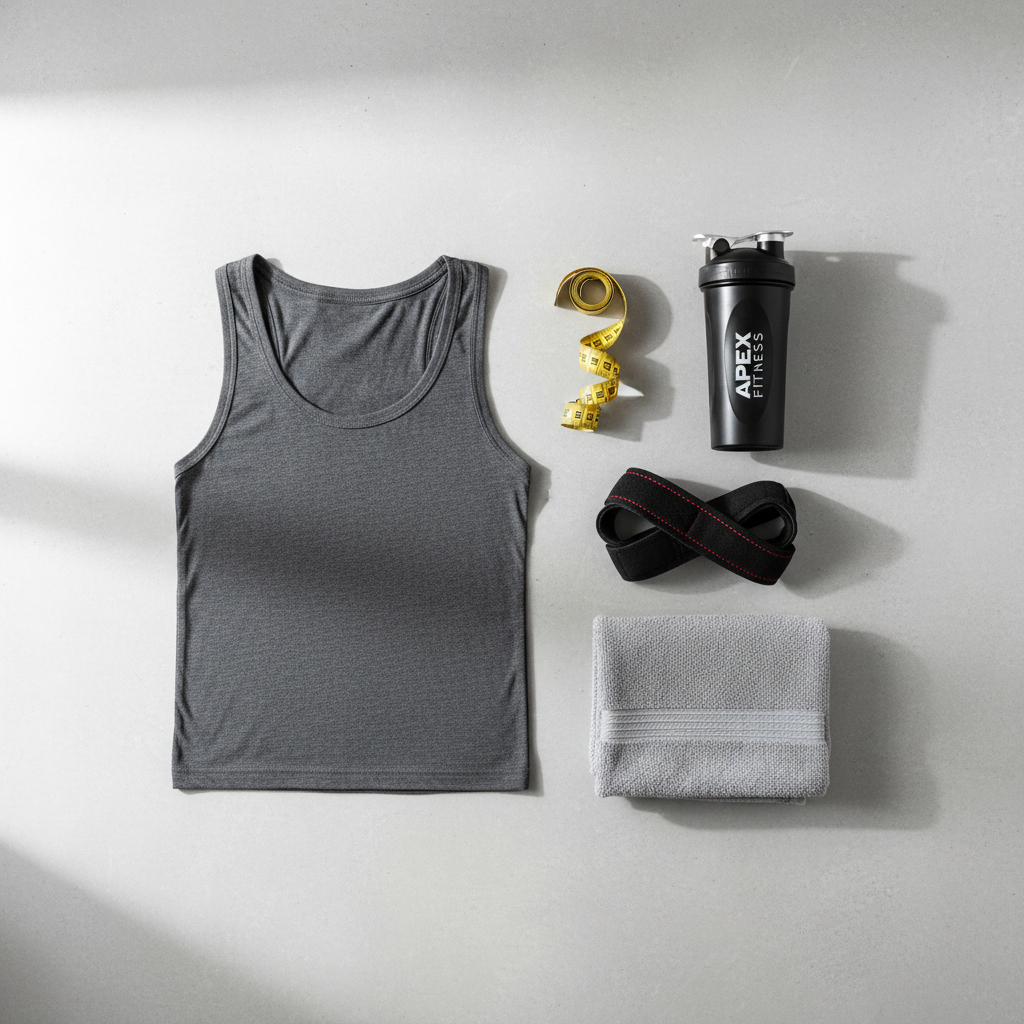
If two or more points hit home, you’ll usually be happier spending a bit more time on fabric and cut than chasing a logo or a trend.
Practical buying tips: sizing, care, and value
Most fit issues aren’t “your body,” they’re inconsistent brand sizing. Use measurements, not just Small/Medium/Large.
Action steps that work in real life
- Measure a tank you already like: chest width, length, and shoulder width, then compare to the brand’s size chart.
- Plan for shrink (if cotton-heavy): many cotton blends may tighten a bit after drying, so air-dry if you’re between sizes.
- Check return policy before experimenting: especially for deep-cut styles or new fabrics.
- Buy one before buying three: test it through a sweaty session and a wash cycle.
Key points to remember: fit at the shoulders matters more than chest tightness, armholes should move with you, and fabric choice should match sweat level.
Common mistakes (and what to do instead)
- Mistake: buying ultra-thin tanks that twist and stretch out. Do instead: look for slightly denser knit and reinforced seams.
- Mistake: going too small for a “tight” look. Do instead: choose an athletic cut that follows your frame without straining at the chest.
- Mistake: ignoring chafing until it becomes a problem. Do instead: prioritize smooth binding and consider anti-chafe balm if you’re prone to irritation.
- Mistake: picking a cut that’s uncomfortable in your gym’s vibe. Do instead: pick coverage you’ll actually wear consistently.
For most people, the “best” men muscle tank top gym fitness choice is the one that disappears during training, no fidgeting, no tugging, no second thoughts.
Wrap-up: a simple way to choose today
If you want one reliable tank to start, go for a mid-weight performance blend, moderate armholes, and a fit that sits clean on the shoulders. That combination works across most lifting programs and stays comfortable when the session gets sweaty.
Pick one, test it through a hard workout, wash it once, then decide if you want a second in another color. That’s the most cost-effective way to build a rotation you actually use.
FAQ
What is the best fabric for a men muscle tank top gym fitness routine?
For higher-sweat workouts, performance blends (often polyester with a bit of elastane) usually feel lighter and dry faster. If your sessions stay low-sweat, a cotton blend can still be comfortable.
Should a muscle tank top be tight or loose for lifting?
Tight at the shoulders is helpful, overly tight at the chest often feels restrictive. Many lifters prefer an athletic fit that follows the body without pulling at the seams during presses.
How do I stop armpit chafing from tank tops?
Look for smooth armhole binding and flatter seams, and avoid armholes that sit right in the armpit crease. If you still get irritation, an anti-chafe product may help; persistent skin issues are worth discussing with a healthcare professional.
Are deep-cut muscle tanks okay for most gyms in the US?
It depends on the gym culture and your comfort level. Many gyms are fine with them, but if you feel self-conscious, you’ll wear it less, and that matters more than the cut.
How many gym tank tops do I actually need?
For most training schedules, 2–4 tanks cover weekly workouts without forcing constant laundry. If you sweat heavily or train daily, you may want more to keep rotations fresh.
Do muscle tank tops make you look bigger?
They can, mostly because of shoulder exposure and a tapered cut, but fit is the real driver. A well-fitted shoulder seam and clean armhole shape usually look more flattering than simply sizing down.
How should I wash performance tank tops?
Cold wash and air-dry is a safe default for preserving stretch and shape. Avoid heavy fabric softener, which can reduce moisture-wicking performance on some fabrics.
If you’re shopping for a men muscle tank top gym fitness setup and want something that fits your training style without guesswork, it can help to start with one versatile “daily” tank, then add a second option for hotter days or higher-intensity sessions.