men tall pants long inseam casual shopping usually turns into the same loop: the waist fits, the hem rides up, or the rise feels off the second you sit down. If you’re tall, long-legged, or just in that “in-between” range, casual pants can feel oddly rare even though they’re supposed to be the easiest thing to buy.
This matters because casual pants are your daily uniform, commuting, travel, office-lite days, weekends, and dinners where jeans feel too heavy. When inseam and rise aren’t right, you notice it all day, bunching at the ankle, socks showing when you don’t want them, and a constant tug at the knee.
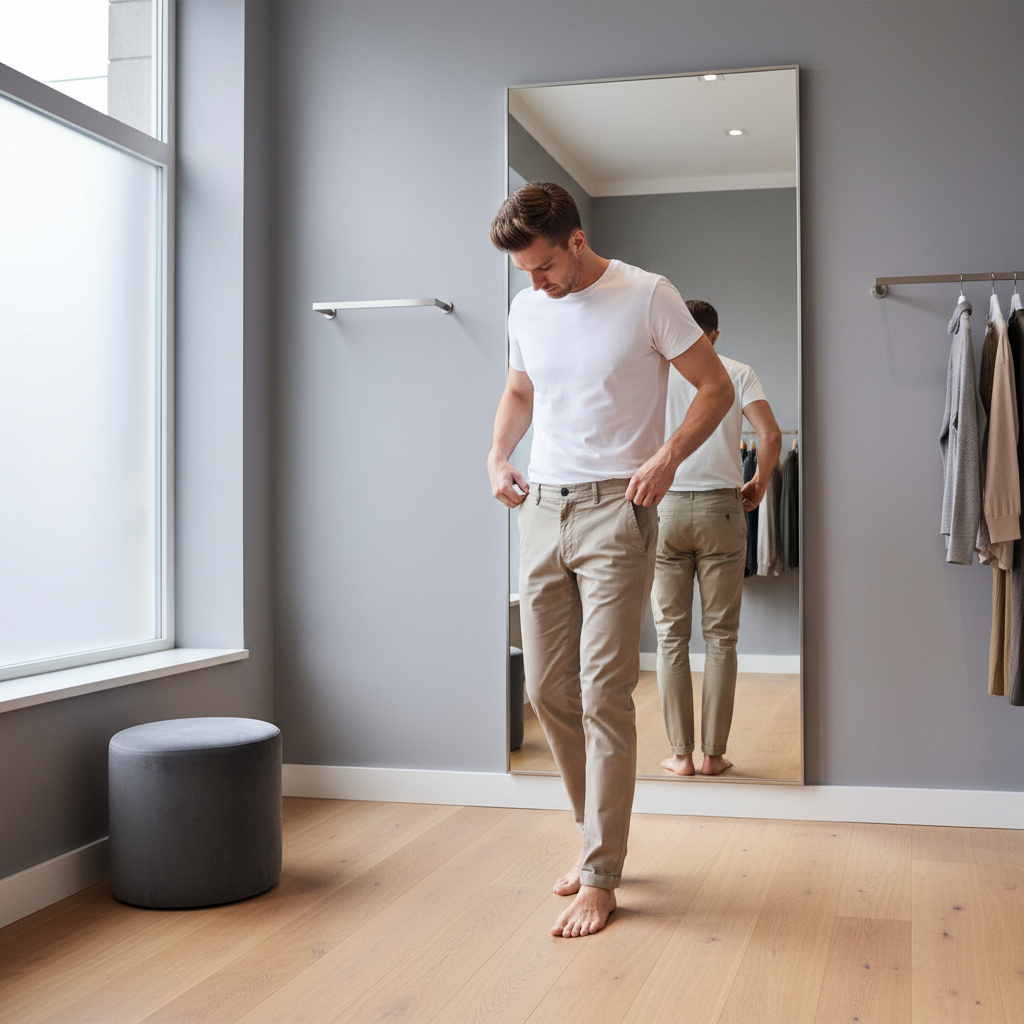
What this guide does is keep it practical: why long inseams are hard to find, how to measure in a way brands actually match, which fabrics work better for tall frames, and how to avoid the common “tall size” traps that still fit poorly.
Why long-inseam casual pants are tricky (and what “tall” really changes)
The obvious issue is length, but tall fit problems are usually a mix of inseam, rise, and knee placement. A pant can be “long enough” and still look wrong if the knee break hits too high or the rise pulls when you sit.
- Inventory math: Many brands cut fewer inseam options because each extra length multiplies stock complexity. In practice, 30–34 inseam dominates, and 36+ becomes limited or online-only.
- Rise mismatch: Taller bodies often need a slightly longer front and back rise so the waistband stays put. If not, you get the “waistband sliding down” feeling even when the waist size is correct.
- Taper and leg opening: A strong taper can make longer inseams feel tighter at the calf/ankle, especially in structured chinos.
- Shrink and stretch reality: Casual fabrics behave differently after washing. Cotton twill can tighten up, stretch blends relax, and your perfect length changes quickly.
According to the Federal Trade Commission (FTC), apparel labeling rules focus on fiber content and care instructions, not standardized sizing across brands, so “34x36” can still fit differently depending on pattern and fabric.
Quick self-check: what fit problem do you actually have?
Before you buy another pair, pin down the real issue. Most “too short” complaints are really “wrong rise” or “wrong break,” and fixing the right variable saves time.
- Hem rides up when you sit: You likely need more inseam or a different taper, not just a larger waist.
- Crotch feels tight or pulls: Often a rise problem (front rise too short) or thigh too slim.
- Wrinkles stack heavily at ankles: Inseam may be too long for your preferred break, or fabric too stiff for the cut.
- Knees bag out quickly: Fabric blend and weave matter; very stretchy knits can relax at stress points.
- Waist fits but hips feel tight: Cut is too low-volume through seat/hips; sizing up just makes the waist sloppy.
If your goal is men tall pants long inseam casual that look normal standing and sitting, treat rise and leg shape as equals to inseam.
Measuring that actually matches what brands sell
Measuring your body is helpful, but measuring a pair you already like is usually better. Brands draft from garment specs, not your anatomy, so you want numbers that translate.
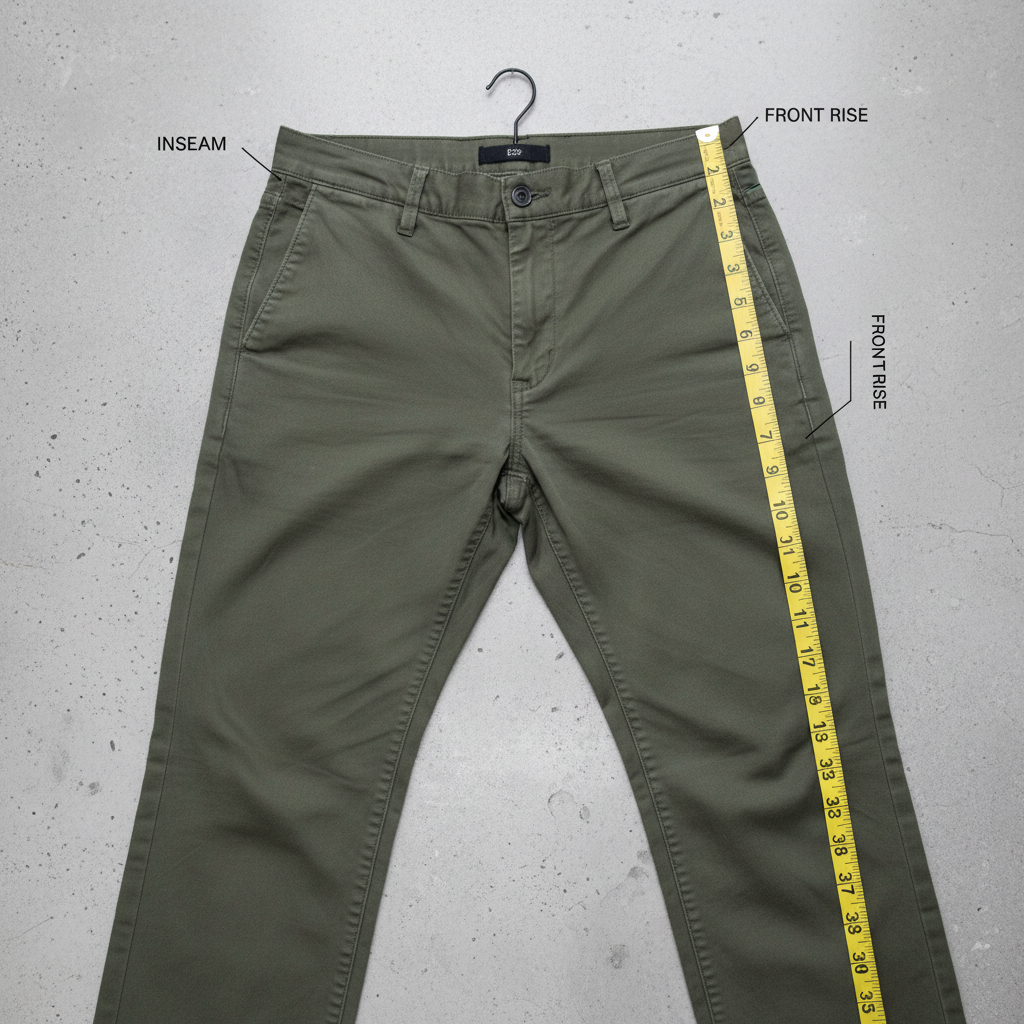
Use this quick measurement set:
- Inseam: From crotch seam to hem along inside leg.
- Front rise: From crotch seam up to top of waistband (front).
- Back rise: From crotch seam up to top of waistband (back). This one explains “waistband sliding.”
- Thigh width: Measure across 1 inch below crotch, double it.
- Leg opening: Measure hem opening across, double it.
Then decide your preferred break, because that drives inseam choice:
- No break: hem just touches shoe, clean line, can feel short when sitting.
- Quarter/half break: slight fold, common for casual chinos and 5-pocket pants.
- Full break: more stacking, works with wider legs, can look sloppy if fabric is heavy.
For most tall casual outfits, quarter to half break tends to look intentional without turning into ankle exposure every time you move.
Choosing the right casual pant type for tall frames
Not all “casual pants” behave the same. When you’re chasing men tall pants long inseam casual options, start with the category that matches your week, not just your height.
Chinos (twill)
- Best when you want structure and an office-friendly look.
- Watch taper: tall + heavy taper can make hems catch at the calf.
- If you cuff often, you can tolerate a touch more inseam.
5-pocket pants (denim-like, but lighter)
- Good “bridge” pant, casual but neat.
- Often sits like jeans, which some tall guys prefer for rise.
- Check fabric weight; lighter blends can drape better on longer legs.
Drawstring or elastic-waist casual pants
- Comfort-first, travel-friendly.
- Look for a clean front and minimal bulk so the waistband doesn’t balloon.
- Length matters more because elastic hems can shift higher when you sit.
Performance/commuter pants
- Often include stretch and wrinkle resistance.
- Be careful: high-stretch fabrics can relax at knees and seat over time.
- Great if you move a lot during the day and hate stiff twill.
Shopping strategy: how to find long inseams without wasting returns
There’s no magic store list that fits everyone, but there are patterns that reduce misses.
- Filter for inseam first, then waist: Many sites default to waist filtering, and tall inseams vanish quietly in the results.
- Look for “tall” patterns, not just “long inseam”: True tall sizing often adjusts rise and knee placement, not only hem length.
- Read the fabric line: “98% cotton, 2% elastane” behaves very differently than a nylon-spandex commuter weave.
- Check model info when available: If the model is 6'2" wearing 32x34 and the hem stacks, you can infer the cut runs long.
One more real-world trick: if a brand offers “unfinished hems” or “hem-to-length,” that can be a win for tall buyers because you stop compromising on break.
Fabric and care: small choices that change fit after two washes
Even the right size can drift. If your closet history includes pants that started perfect then turned short or baggy, fabric and care are usually the reason.
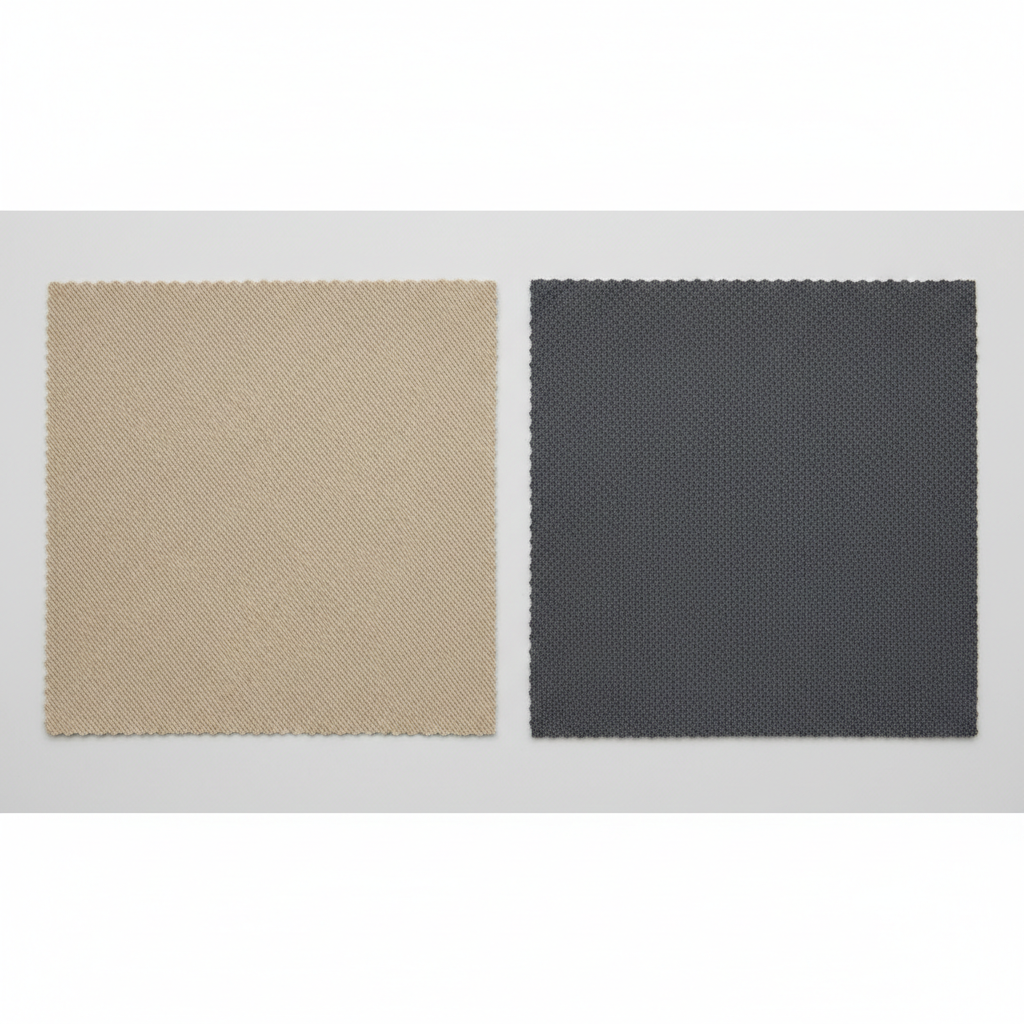
- 100% cotton twill: Feels classic, may shrink depending on wash heat and drying. If you’re on the edge of inseam, consider cold wash and air dry.
- Cotton + a little stretch: Usually more forgiving at thighs and seat, but can relax slightly through the day.
- Performance blends: Often keep length better and resist wrinkles, but the “hand feel” can read more sporty.
According to the American Cleaning Institute (ACI), care labels are designed to help consumers maintain garments, so following wash temperature and drying guidance is your best shot at keeping length and shape consistent.
Fit guide table: match your body cues to the right specs
Use this as a quick decision tool when product pages bury the useful info.
| What you notice | Likely cause | What to look for |
|---|---|---|
| Hem looks fine standing, climbs when sitting | Inseam too short or strong taper | +1 to +2 inches inseam, slightly wider leg opening |
| Waist fits, crotch feels tight | Front rise too short | Mid-rise or higher rise, roomier top block |
| Waistband slides down in back | Back rise too short | “Tall” patterning, higher back rise, optional curvy/athletic cut |
| Thigh tight, calves fine | Thigh too slim | Athletic fit, added thigh circumference, slight stretch |
| Knee bags out fast | High-stretch fabric relaxing | Lower spandex %, tighter weave, structured chino twill |
Practical steps: build a “no-regret” casual pant kit
If you want fewer purchases and fewer compromises, aim for a small rotation that covers most days.
- Start with two inseams: one for sneakers (often slightly shorter), one for boots or dressier shoes (often slightly longer).
- Pick two fabrics: a structured chino for clean outfits, a stretch or performance option for travel and long days.
- Standardize your colors: navy and khaki cover a lot, add charcoal if you dislike lighter pants.
- Tailoring plan: If rise and thigh fit well, hemming is worth it; changing rise or seat usually isn’t.
Key takeaway: chasing men tall pants long inseam casual success is less about finding one perfect unicorn pant and more about controlling rise, leg shape, and break so the length works in real life.
Common mistakes that keep tall guys stuck
- Sizing up to get length: This often creates seat sag and a sloppy waist, and the pant still may not drape right.
- Ignoring back rise: If you always tug the waistband up, this is your culprit more often than inseam.
- Assuming “tall” means “skinny and long”: Many tall people have athletic legs, and slim tall cuts can feel restrictive.
- Over-cuffing: A big cuff looks intentional on some styles, but it can make the leg line look chopped on longer frames.
When it makes sense to get help (or at least a second opinion)
If you repeatedly struggle with fit despite trying multiple cuts and inseams, a tailor or an experienced store associate can help you diagnose whether the issue is rise, posture, or leg shape. If you have discomfort at the hip, groin, or lower back when wearing certain rises, it may be worth asking a medical professional for guidance, especially if pain persists.
Conclusion: what to do next
Good tall casual pants are possible, they’re just less forgiving when any single measurement is off. If you remember only two things, make them these: measure a pair you like (especially rise), and choose inseam based on your preferred break rather than your height alone.
Next step: pick one pant category you wear most, shortlist two fits, and order with a clear plan for hemming only if the top block feels right. That approach usually beats endless trial-and-error.
FAQ
- What inseam is considered “long” for men’s casual pants?
In many U.S. brands, 34 inches is common, while 36 inches and above is often treated as long. The better marker is whether the brand offers tall patterning, not only extra length. - Are “tall” sizes different from just buying a longer inseam?
Often, yes. Tall sizing may adjust rise and knee placement so the pant bends where your leg bends. A longer inseam alone can still feel off if the top block stays standard. - How do I stop pants from looking too short when I sit?
Try a slightly longer inseam and check taper. If the leg opening is narrow, fabric can catch higher on the calf. A quarter-break setup usually looks more consistent across movement. - Do stretch fabrics work better for tall guys?
They can, especially if you have larger thighs or move a lot. The tradeoff is some blends relax at knees. If knee bagging annoys you, choose a tighter weave or less stretch. - Should casual pants stack at the ankle if I’m tall?
Some stacking can look fine, but heavy stacking can read unintentional. Many tall guys prefer quarter to half break for a cleaner line without constant ankle exposure. - Is hemming worth it for long inseams?
If rise, seat, and thigh feel right, hemming is usually worthwhile. If the crotch pulls or the waistband slides, hemming won’t fix the core issue. - How can I shop online for men tall pants long inseam casual with fewer returns?
Filter by inseam first, compare garment measurements to a pair you already like, and prioritize listings that disclose rise, thigh, and leg opening. Those specs predict comfort better than marketing names.
If you’re currently cycling through returns, it may help to create a simple measurement note on your phone (inseam, front rise, thigh, leg opening) and shop from that instead of guessing from size labels, it’s a small step that tends to make tall casual pant shopping a lot less frustrating.