Best t shirts for men quality usually comes down to three things you can actually feel: fabric integrity, construction, and a fit that holds its shape after real-life laundry.
If you have a drawer full of tees that twist after one wash, cling in the wrong places, or develop bacon-neck collars, you already know the problem is not “style” so much as build quality. The frustrating part is that price alone does not reliably predict it, plenty of expensive tees still pill, shrink unevenly, or lose structure.
This guide is built for how people shop in 2026, you want a shirt that looks sharp on day one and still looks like itself after month two. We will break down fabrics (and what their marketing names actually mean), a quick checklist you can use while shopping, and a practical way to pick a small “rotation” instead of chasing the next hype drop.
What “quality” means in a men’s T-shirt (beyond softness)
Softness sells, but it can hide flaws. A tee can feel great in a fitting room and still fall apart in the wash cycle. When people search for the best t shirts for men quality, they are typically trying to avoid a few repeat disappointments.
- Fabric weight and stability: Not just “thicker is better”, but whether the knit stays even and resists twisting at the side seams.
- Collar resilience: Rib knit that snaps back, clean neckline stitching, and good reinforcement so it does not wave over time.
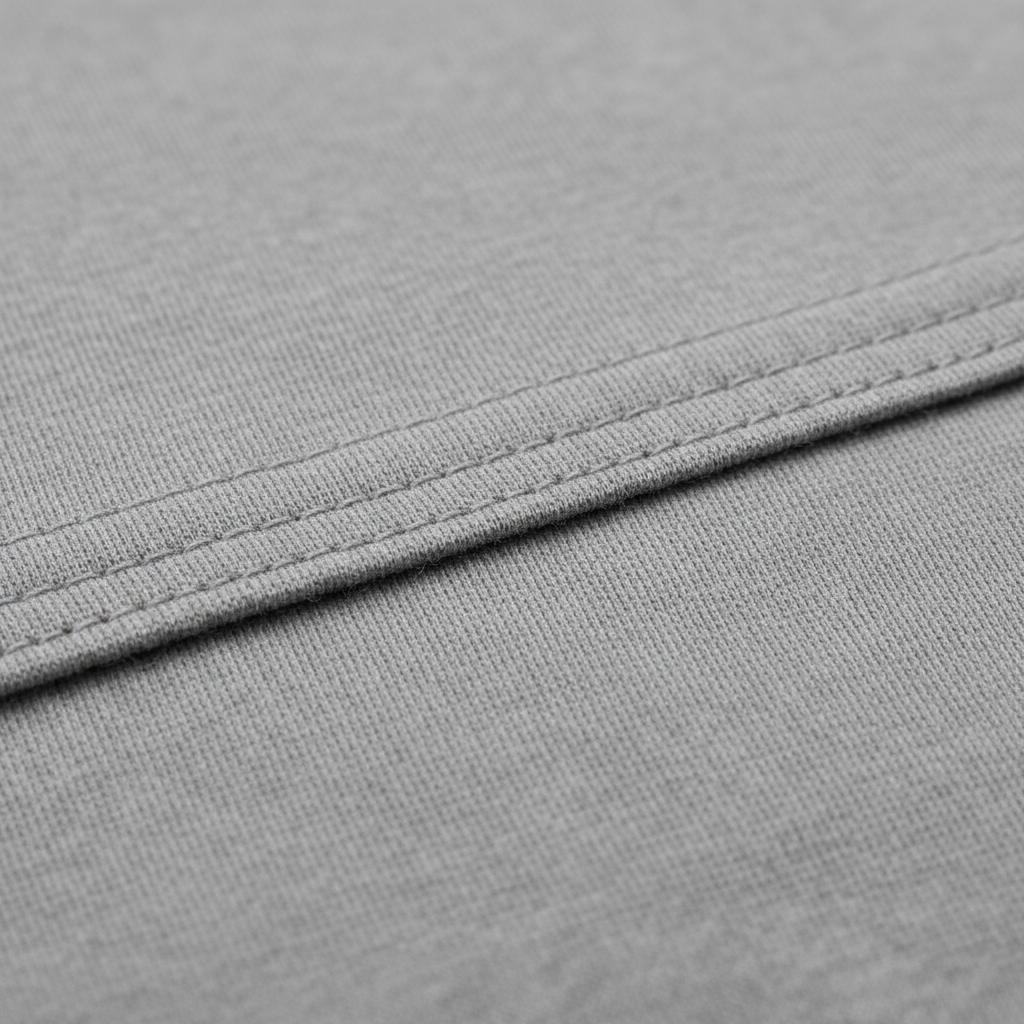
- Seam construction: Even stitch density, secure hems, and consistent seam alignment are quiet indicators of durability.
- Color and finish: Dyes that hold, minimal fuzzing, and a surface that does not turn rough after a few washes.
According to FTC (Federal Trade Commission) guidance on textile labeling, fiber content and care instructions should be disclosed, which means you can often learn a lot without guessing. Reading labels is not “extra”, it is how you avoid the mystery blends that behave unpredictably.
Fabric choices in 2026: what to buy for your use case
Fabric is the starting point, but it is not a single axis. The best t shirts for men quality can look different if you want a crisp workday tee, a hot-weather staple, or something that handles travel and repeated wear.
100% cotton (ringspun, combed, long-staple)
If you want a classic feel and easy styling, cotton still earns its spot. Long-staple and combed cotton often feels smoother and can pill less, though quality depends heavily on knitting and finishing.
- Good for: everyday wear, layering, people who dislike synthetic feel
- Watch-outs: shrink risk if not pre-shrunk, collar can relax if rib knit is weak
Cotton blends (cotton/poly, cotton/modal, tri-blend)
Blends are not automatically “cheap”. A thoughtful blend can improve wrinkle resistance or drape. But blends also vary wildly, and some pills faster depending on yarn quality and finishing.
- Good for: low-wrinkle needs, softer drape, travel
- Watch-outs: pilling, cling, odor retention for some wearers
Merino wool tees
Merino can regulate temperature and resist odor, which is why many travelers swear by it. The downside is cost and care, and some people find it itchy or too “technical” feeling.
- Good for: travel, multi-day wear, variable climates
- Watch-outs: snagging, special washing, higher price per wear
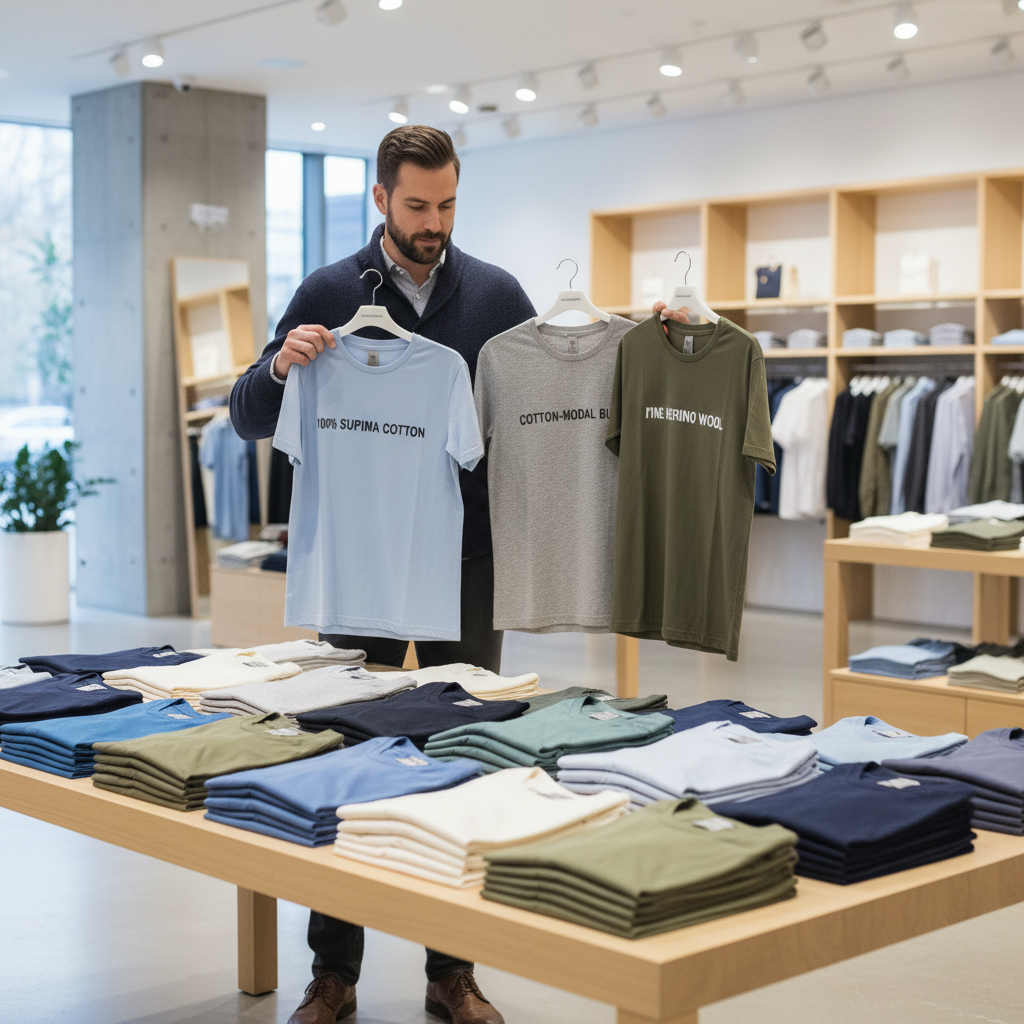
Heavyweight vs midweight vs lightweight
Weight interacts with knit structure. Heavyweight tees can look premium and hold a boxier silhouette, but in humid states they can feel like armor. Lightweight tees breathe, but they show wear sooner if the yarn or knit is weak.
- Heavyweight: structure, opacity, streetwear fits
- Midweight: the safest “daily driver” category
- Lightweight: heat, workouts, layering under overshirts
Quick quality checklist you can use in-store or online
This is the part most shopping guides skip, what you can check fast without sounding like you are inspecting drywall. If a brand does not provide these basics online, that is often a signal by itself.
- Collar: gently stretch and release, it should rebound without rippling
- Side seams: look for straight alignment, twisting often starts here
- Hem: even stitching, no loose threads, no wavy edge
- Shoulder seam placement: should sit near your shoulder edge, not drift down the arm unless intentionally oversized
- Fabric opacity: hold up to light, very thin cotton can look washed out quickly
- Return policy: quality shows up after wash one, a sane return window matters
If you shop online, zoom into product photos to see stitch lines and collar rib. Also look for language like “tubular knit” or “side-seamed”, neither is universally better, but brands that mention construction tend to think about it.
Fit and pattern: why “good quality” can still look wrong
Even the best t shirts for men quality will disappoint if the pattern does not match your body and styling goals. Fit is not vanity, it changes how a tee wears and how seams take stress over time.
The three fits most guys actually wear
- Classic/regular: easiest to dress up, forgiving through the torso
- Modern/athletic: room in shoulders and chest, cleaner waist shape
- Relaxed/boxy: more drape, pairs with wider pants and streetwear silhouettes
Here is the honest part, many “premium” tees skew long because brands want fewer returns. If you are under about 5’9” or prefer a cleaner tuck-free look, pay attention to body length and shrink notes.
A practical comparison table for choosing your next tee
Use this as a shortcut when you are deciding between a few options. It is not about finding one perfect fabric, it is about picking the right compromise for your week.
| Priority | Best fabric direction | What to look for | Common downside |
|---|---|---|---|
| All-day comfort | Combed cotton or cotton/modal blend | Smooth hand feel, stable collar, clean hems | Modal blends may pill if finishing is weak |
| Holds shape | Midweight cotton, tighter knit | Side seams stay straight, minimal twisting | Can feel warmer in summer |
| Hot weather | Lightweight cotton or breathable blend | Airy knit, not see-through, good dye | Shows wear sooner |
| Travel / fewer washes | Merino | Odor resistance, durable seams, care guidance | Price, snag risk |
| Budget but durable | Cotton/poly blend (well-made) | Reinforced collar, tight stitching, solid reviews | Can trap odor for some people |
How to build a “small rotation” of quality tees (and stop overbuying)
If your goal is best t shirts for men quality, the move is often fewer tees with clearer jobs. A small rotation also helps you notice what actually works, instead of blaming yourself for every bad fit.
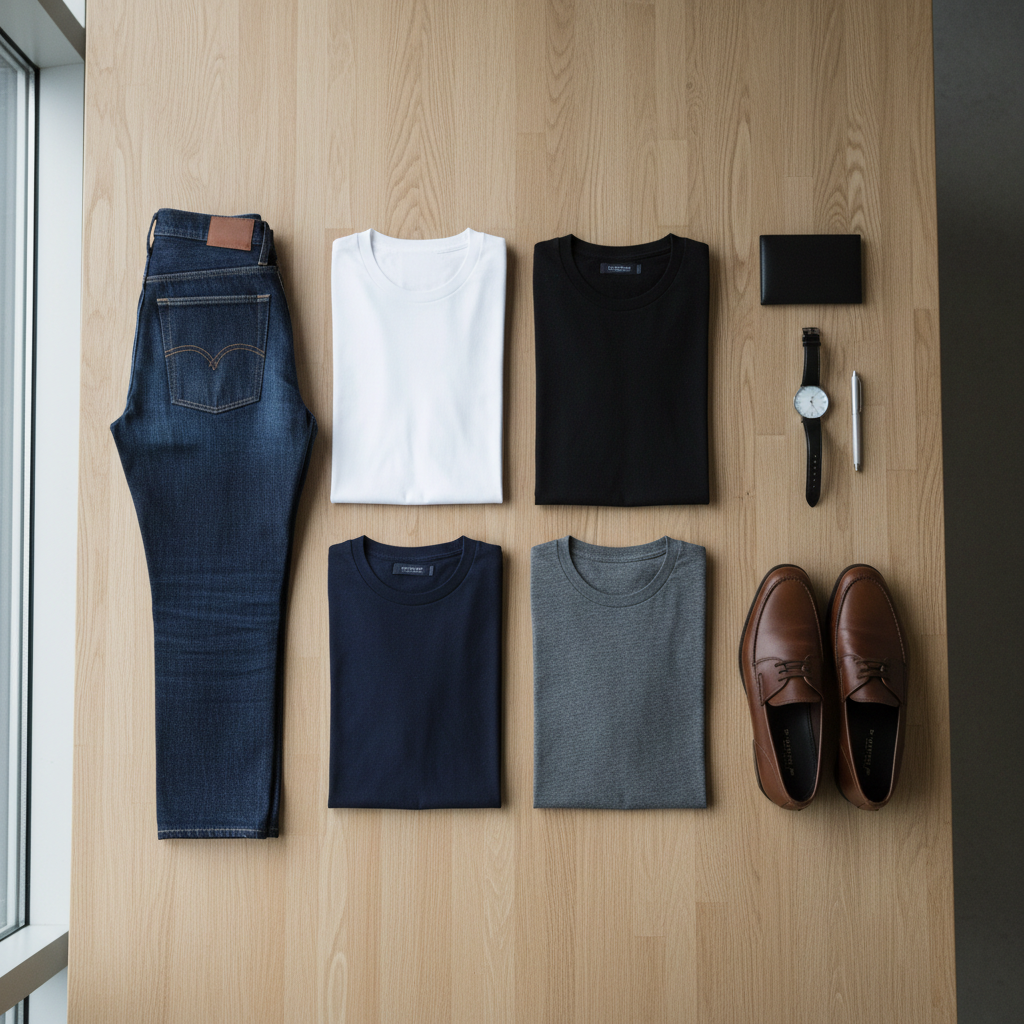
A simple plan that works for many people:
- 2 everyday tees: midweight cotton, regular or modern fit, neutral colors
- 1 “clean” tee: slightly heavier or smoother finish for dinners, dates, casual work settings
- 1 beater/work tee: comfortable, cheaper, used for chores and messy weekends
- Optional 1 travel/active tee: merino or a performance-leaning blend
Then do one boring thing that saves money: buy one shirt first, wash it twice, and only then consider multiples. Brands often change mills or factories, so even a “same model” tee can shift year to year.
Care tips that protect quality (without babying your shirts)
You can ruin a great tee with aggressive washing, but you also do not need a laboratory routine. Most quality issues show up from heat, friction, and over-drying.
- Wash cold or warm, not hot: hot water accelerates shrink and collar fatigue
- Turn inside out: reduces abrasion and keeps color looking cleaner
- Skip high heat drying when possible: air dry or low heat helps hems stay flat
- Do not overload the drum: friction creates fuzz and pilling faster than you think
- Spot treat instead of rewashing: fewer full cycles extends fabric life
If you have sensitive skin or allergies, detergent choices can matter, but reactions vary. If irritation persists, it is reasonable to test a fragrance-free option or consult a medical professional.
Common mistakes when shopping for “premium” T-shirts
This is where people waste money. The marketing is polished, the photos look perfect, and the shirt still ends up living in the bottom drawer.
- Buying for the model’s fit: fit photos are pinned and lit, measurements matter more
- Assuming GSM or “heavyweight” equals quality: weight can mask weak stitching
- Ignoring collar construction: bacon-neck is usually a build issue, not your washing machine
- Over-indexing on hype: limited drops can be fun, but consistency is what you want for basics
- Getting the wrong undershirt strategy: if sweat marks are your issue, color and fabric choice beats buying “thicker”
Conclusion: how to choose the best quality tees in 2026
The best t shirts for men quality are the ones that keep their shape, feel good after repeated washes, and match how you actually live, office days, weekends, travel, or heat. Start with fabric that fits your climate, confirm construction with a quick collar-and-seam check, and buy one before you commit to a stack.
Action steps: pick one midweight cotton tee in a fit you trust, test it through two wash cycles, then build a small rotation around that “known good” baseline.
FAQ
- What fabric is best for men’s T-shirts that last?
Many long-lasting tees use midweight cotton with stable knitting and solid collar rib, but durability can be just as dependent on stitching and finishing as fiber type. - Are expensive T-shirts always better quality?
No. Higher price may reflect branding or small-batch production. Look for transparent specs, consistent stitching, and a return policy that lets you verify quality after washing. - How do I stop T-shirts from twisting after washing?
Twisting often comes from uneven knit tension or poor cutting. Washing cold, avoiding high heat drying, and choosing better-constructed side seams can reduce the issue, but some shirts will always twist. - Is 100% cotton better than a blend?
It depends on your priorities. Cotton feels classic and breathable, blends can add wrinkle resistance or drape. If you hate pilling, be picky with blends and look for better finishing. - What T-shirt weight should I buy for summer?
Lightweight can work, but look for opacity and stable seams. In many warm climates, a breathable midweight tee can be more flattering while still comfortable. - How many T-shirts should a guy own?
For many wardrobes, 4–6 solid tees cover most weeks. The right number depends on laundry frequency, climate, and whether you need a “clean” tee for smarter casual outfits. - How can I tell if a collar will get “bacon neck”?
Check rib knit recovery and reinforcement at the neckline. If it already looks wavy on the rack or in photos, it usually gets worse with heat and drying.
If you are trying to simplify shopping and narrow down what “good” actually looks like for your body and budget, a quick shortlist based on your climate, fit preference, and care routine often saves more money than chasing the newest “premium” label.